How Brands Are Winning Through Participation, Not Just Visibility
Introduction: The Shift from Sponsorship to Experience
India’s amateur sports ecosystem has evolved rapidly over the last decade. What was once seen as a niche engagement space is now a powerful marketing platform driven by participation, community, and emotion. Brands are no longer satisfied with passive visibility through sponsorships. They are actively looking to create deeper engagement by becoming a part of the consumer’s sporting journey. Sport offers something very few other mediums can — genuine emotion, achievement, and connection. When combined with structured experiential programs, it allows brands to move from awareness to affinity. This shift is defining how sports marketing is being approached in 2026.
Trend 1: Phygital Experiences Are Redefining Participation
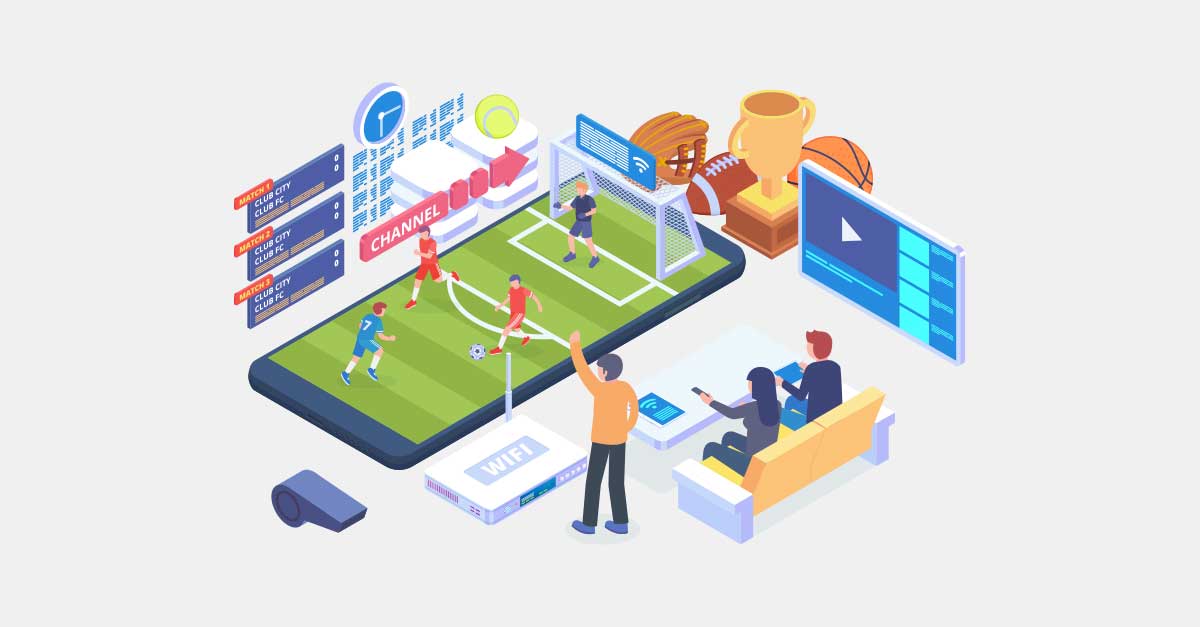
The integration of physical sports experiences with digital layers has become central to modern experiential marketing. Earlier, participation ended on the ground. Today, it continues through apps, data, and digital engagement. Technology is being used to track performance, create personalized feedback loops, and extend the life of an event beyond its physical duration. Whether it is fitness tracking, gamified leaderboards, or virtual competition layers, the participant experience is becoming more immersive and measurable. What this does is transform a one-time event into an ongoing journey. Participants are not just playing; they are improving, competing, and sharing their progress. The role of technology is not to replace sport, but to enhance its emotional and motivational impact.
Trend 2: Schools and Youth Platforms Are Becoming Strategic Assets
For brands looking to build long-term relevance, schools have emerged as one of the most effective entry points. Reaching young audiences within a structured and trusted environment allows brands to build early relationships that can last for years. Schools provide scale, credibility, and continuity — three things that are otherwise difficult to achieve simultaneously. However, the approach has evolved. Brands that succeed in this space are not those that simply conduct activations, but those that contribute meaningfully to learning and development. Programs that focus on skill-building, sports education, and structured competition formats tend to create stronger impact. They align with the aspirations of both students and parents, making the brand a facilitator of growth rather than just a promoter. The real value here lies in shaping habits and building early brand association.
Trend 3: Women Are Emerging as a High-Engagement Sports Segment
One of the most significant shifts in the sports ecosystem has been the rise of women as active participants. This is being driven by multiple factors — increased awareness around fitness, the influence of successful female athletes, and the growth of community-based sports participation. Brands are beginning to recognize that this segment requires a more thoughtful and purpose-driven approach. It is not just about organizing events, but about addressing real barriers such as safety, access, and confidence. Successful initiatives in this space often combine participation with empowerment. They create environments where women feel comfortable, supported, and motivated to engage consistently. This segment represents not just a marketing opportunity, but a chance for brands to build genuine emotional connect.
Trend 4: Local Influencers Are Driving Authentic Engagement
The definition of influence in sports marketing has shifted from national celebrities to community-level leaders. Local coaches, runners, trainers, and sports enthusiasts often have stronger credibility within their immediate networks. Their influence is based on relatability and trust rather than visibility. Brands are increasingly leveraging these micro-influencers to build deeper engagement within specific communities. Instead of relying on a single high-profile ambassador, they are building networks of smaller, more connected voices. This approach allows for more authentic storytelling and stronger grassroots impact. Influence, in this context, is less about reach and more about relevance.
Trend 5: Content Amplification Is Integral to Every Experience
Experiential marketing no longer ends at execution. Its true value is unlocked through content. Every sports program today is expected to generate digital storytelling opportunities. Participants themselves have become content creators, sharing their achievements, moments, and experiences across platforms. Brands that design their programs with content in mind are able to extend their reach significantly. From real-time updates to personalized participant content, the focus is on creating moments that are worth sharing. The shift is clear. Experiences are being designed not just for those who are present, but also for those who will engage with them digitally. In many ways, the participant has become the most effective media channel.
Conclusion: The New Playbook for Sports Marketing
Experiential sports marketing in 2026 is defined by participation, personalization, and community. Traditional approaches focused on visibility and scale. The current approach is centered around engagement and connection. Brands that succeed in this space are those that are willing to invest in building ecosystems rather than running one-off campaigns. They create platforms where people can participate, improve, and belong.
The Krit Perspective
At Krit, this evolution is not just something we observe — it is something we build into our learning model. Students are not limited to understanding sports marketing conceptually. They work on real projects, create sports properties, and engage with communities directly. Because the future of sports marketing will not be driven by planners alone. It will be driven by people who can design and execute meaningful experiences.
Final Thought
The brands that will stand out in sports are not the ones that are seen the most, but the ones that become part of people’s journeys. That is where real impact lies.