Skills Required for Sports Management: 10 Essential Skills Recruiters Look For
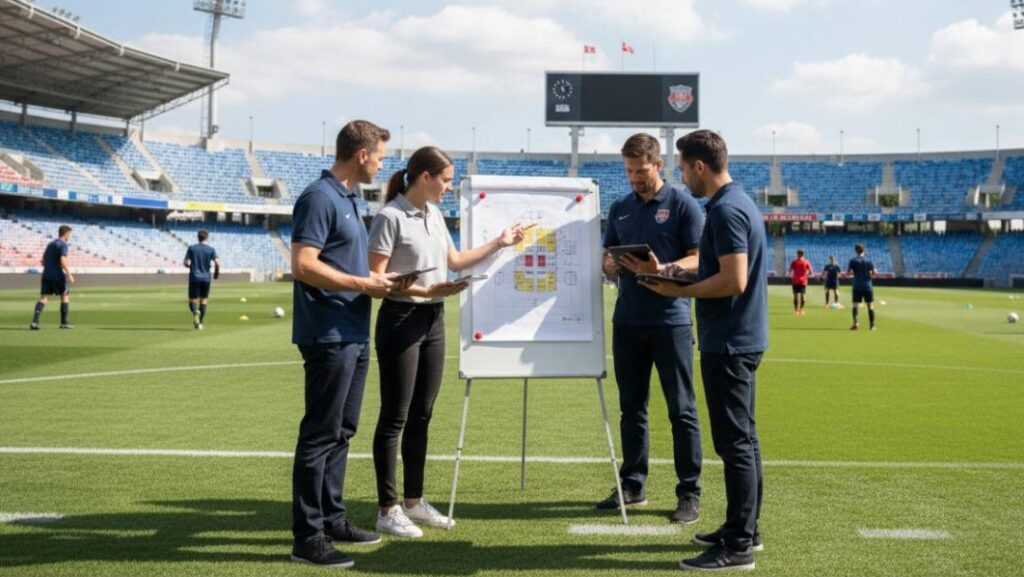
There is tremendous growth going on in the sports sector in India today. There are a lot of career prospects for students as well as professional people in this sector. They can pursue their careers in sports management apart from becoming athletes themselves. Some of the key areas are sports marketing, event management, sponsorships, and even leagues. Apart from education and gaining knowledge about the sector, learning about the skills needed in sports management jobs will help you bag some good jobs in this sector.
There are many qualities that sports organizations today seek from professionals working for them. Here are ten of those skills that recruiters look for when hiring sports management professionals.
10 Essential Skills That Matter in Sports Management
The sports management industry is highly competitive and dynamic. In addition to academic qualifications, employers also expect potential applicants to be in possession of certain skills that will enable them to help organizations reach their aims.
Whether your dream job in sports management is sports marketing, event management, athlete representation, sponsorship, developing the right skill set will give you an edge over others.
1. Effective Communication Skills
Good communication is among the main skills required from a sports management specialist. Sports managers deal with athletes, sponsors, media representatives, vendors, and fans on a regular basis.
Effective and professional communication helps to establish relationships, solve problems, and coordinate actions of all stakeholders involved.
2. Leadership Qualities
Leadership is another skill that is vital in sports management, because most of the tasks performed by managers in this sphere include teamwork, project management, and decision-making.
Employers highly appreciate specialists who know how to inspire other people and lead a team towards the achievement of its goals.
3. Event Management Skills
Organization of events requires lots of effort related to logistics, scheduling, coordination of vendors, participants, venues, etc.
These skills are particularly appreciated in sports management, because most sports managers organize tournaments, competitions, and promotional
4. Marketing and Branding Knowledge
Sports organizations rely significantly on marketing in order to draw audiences, sponsors, and media attention. Knowledge of digital marketing, branding, social media, and fan engagement will give candidates an advantage while applying for job positions.
Knowledge of marketing will come in handy in case you apply for a position which is related to sports promotion and activation.
5. Problem-Solving Skills
Unexpected difficulties may happen often in the sports industry. Late events, operation difficulties, and other last minute changes may require immediate actions.
Candidates that are able to act efficiently under stress and solve various difficulties effectively will be greatly appreciated by recruiters.
6. Networking and Relationship Management
Developing professional relationships is one of the most important aspects of the sports management profession. Many times your success will depend on your ability to network with sponsors, athletes, experts, and business partners.
The network will not only allow professionals to create new opportunities but also help them advance in their career.
7. Business Knowledge
The sports industry is business-oriented. Understanding of budgeting, revenue generation, sponsorship and other aspects of finance will enable professionals to help organizations grow.
Basic knowledge of business will be useful for many different positions in the sports management field.
8. Teamwork and Collaboration
Collaboration in many departments is required for sports organizations. Professional workers tend to collaborate with marketing departments, operational workers, athletes, sponsors, and event organizers.
Working as a team member is one of the extremely useful skills required for sports management.
9. Adaptability and Flexibility
The sports business is rapidly evolving, and professionals have to be ready for all kinds of changes, technologies, and market dynamics.
Recruiters pay special attention to candidates who are flexible, adaptive, and can work in dynamic environments.
10. Digital and Analytical Skills
The role of technology in sports is growing.
Digital marketing, fan engagement systems, analytics, and data-driven approach will become the key in future sports business.
Professionals who know how to use digital tools and analyze information will be more likely to succeed in the sports management job market.
Conclusion
Acquiring appropriate skills in relation to sports management is necessary for any individual aspiring to make a mark in his/her sports management career. Though technical knowledge and academic education form the basis, practical skills like communication skills, leadership, problem solving, marketing skills, and adaptability are what often make the difference.
With the increasing need for competent individuals, those individuals who take time to develop such skills would be in a better position to acquire lucrative sports management jobs in India with Krit.
Start your Journey with Krit School of Sports Management
Krit School of Sports Management ensures that the students not only acquire theoretical knowledge but also develop practical skills through experiential learning, live projects, internships, and other industry exposure sessions at Krit. Get started on your sports management career with Krit today.
FAQs
1. What are some of the important sports management skills?
Some of the important skills required in sports management are communication skills, leadership skills, event management skills, marketing skills, problem-solving skills, teamwork skills, networking skills, business skills, flexibility and digital skills.
2. Is it possible to be a sports management professional without a sports background?
Yes. Most of the professionals working in the field of sports management have degrees in commerce, business studies, marketing studies, engineering and other fields. It helps to be really into sports but it’s more about the industry knowledge and the professional skills.
3. What are the top sports management jobs in demand in India?
Below mentioned are some of the top sports management jobs in India: Sports Marketing Executive, Event Manager, Sponsorship Manager, Sports Operations Executive, Athlete Relations Manager, Business Development Executive and Sports Media Professional.
4. What do students learn prior to graduation?
Sports management skills can be developed through the internship, volunteers, live projects, industry workshops and industry related sports management courses.